
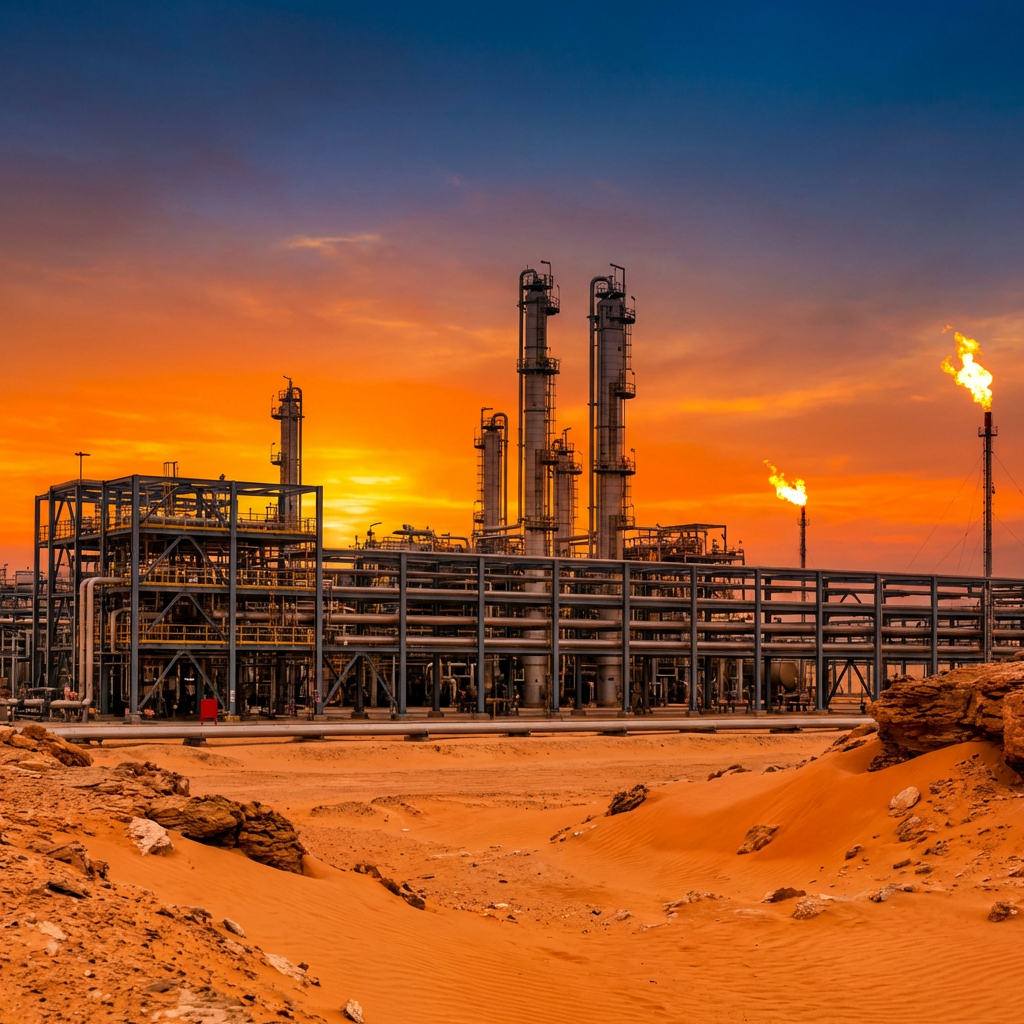
Rising fertiliser prices, driven by conflict in the Middle East and volatile gas markets, are exposing a major weakness in UK farming
Nitrogen fertilisers—vital for crop yields—depend heavily on natural gas, with the UK importing around 60% of its supply. Disruptions to global trade routes have pushed costs higher, threatening food production. Yet the Government has failed to develop a long-term alternative strategy. The UK must reduce reliance on imports by investing in sustainable, home-grown fertilisers and adopting modern farming methods. Solutions such as organic manure, cover crops and low-till systems can cut emissions, improve soil health and build a more resilient agricultural system for the future.
In the UK we largely rely on artificial fertilisers made from fossil fuels. The Government has singularly failed to develop a strategy for providing an alternative source for industrial manufactured imported fertilisers.
Nitrogen-based fertilisers are heavily dependent on natural gas in its manufacture. Fertiliser prices are increasing primarily due to the increase in gas prices. Gas makes up approximately 60% of the cost of producing nitrogen fertiliser, therefore any volatility in the gas price will have knock on effects on fertiliser costs.
Fertiliser prices are climbing as a result of disruptions in the Middle East, putting global food supplies at risk. One of the biggest economic casualties of the USA led war in Iran has been the global fertiliser supply. Shipments of it have piled up on the wrong side of the Strait of Hormuz.
Fertilisers are essential agricultural nutrients—primarily nitrogen, phosphorus, and potassium—used to replenish soil fertility and boost crop yields. They accelerate plant growth, improve food quality, and enable high-density farming to meet food production demands, allowing crops to thrive in soil that might otherwise be nutrient-depleted.
The Government should have been implementing a plan to avoid large scale imports of fertiliser and nitrogen years ago.
Do we in the UK have any options to replace imported artificial fertilisers?
Yes, we should be using fertilisers developed in our own country from sustainable sources. Also we need to change farming methods to avoid the intensive use of artificial fertilisers. The NFU say that sustainable alternatives to industrial fertiliser in the UK include organic manure, compost, seaweed extract, and green manures (cover crops like clover) to improve soil structure and nutrient levels. Modern, low-carbon options include sludge-based products, chicken litter, and nutrient-rich bio-stimulants that boost soil health. Also we should avoid ploughing and move over to ‘No-Till (Direct Drilling)’ or minimum tillage. Direct drilling can reduce nitrous oxide emissions by 40-70% helping reduce global warming gases.
——————–
Examples of sustainable sources of fertilisers:
- Compost & Manure: Well-rotted farmyard manure, horse manure, or garden compost provides a broad spectrum of nutrients and boosts organic matter.
- Microbial Inoculants & Bio-fertilisers: Such as beneficial bacteria/fungi (mycorrhizae), which provide nutrients without the environmental damage of synthetic options, to improve nutrient uptake and convert atmospheric nitrogen.
- Seaweed Extract: Used as a liquid feed or soil conditioner, this provides micronutrients.
- Bio-fertilisers & stimulants: Products containing algae, bacteria, and fungi improve soil microbes and nutrient availability, reducing the need for chemical nitrogen.
- Food/Industrial Waste Recycling: New, low-carbon fertilisers manufactured in the UK from waste materials like sewage sludge.
- Compost: Decomposed organic matter from food scraps and yard waste, which adds nutrients and improves soil structure.
- Cover Crops: Crops like clover, vetches or rye planted specifically to be tilled back into the soil, adding organic matter and nutrients improves nitrogen levels.
- Biochar: A charcoal-like substance that improves water retention, nutrient availability, and soil health.
- Vermicompost: Worm castings that provide a high concentration of plant-available nutrients.
- Bio-based Products: Technologies using waste carbon dioxide, anaerobic digestate, or food waste to produce nutrient-rich, slow-release fertilisers.
Advantages:
Improved Soil Health: These inputs nourish the soil ecosystem, improving structure and promoting beneficial microbial activity.
- Sustainability & Nutrient Recycling: They turn waste into resources, fostering a circular economy rather than relying on fossil-fuel-intensive production.
- Reduced Pollution: They lower the risk of nutrient runoff into water bodies, reducing environmental contamination.
Improving soil health
Also we should avoid ploughing and move over to ‘No-Till (Direct Drilling)’ or minimum tillage. Direct drilling, no-till, or minimum tillage is a method of planting crops without ploughing or turning over the soil, instead sowing seeds directly into the residue of the previous crop.
Here are the advantages of ‘No-Till (Direct Drilling)’:
- Soil Health and Biodiversity: By not breaking up the soil, the natural structure is maintained, increasing biodiversity and supporting soil microorganisms, including earthworms.
- Carbon Sequestration: Ploughing releases carbon dioxide from the soil into the atmosphere. No-till keeps this carbon locked in the ground.
- Moisture Retention: Keeping plant residues on the surface acts as a shield, reducing evaporation and retaining moisture, which is especially important during dry periods.
- Reduced Erosion: Ground cover prevents topsoil from being washed or blown away.
- Operational Cost Savings: Farmers save on fuel and labour costs by making fewer trips across the field.
- Reduced Greenhouses Gas Emissions: Direct drilling can reduce nitrous oxide emissions by 40-70%.

 Campaign for a Better Environment